1
The machine does not start
Possible causes
- No mains voltage present
- Power supply fault in the control system
- Faulty or non-functioning push button
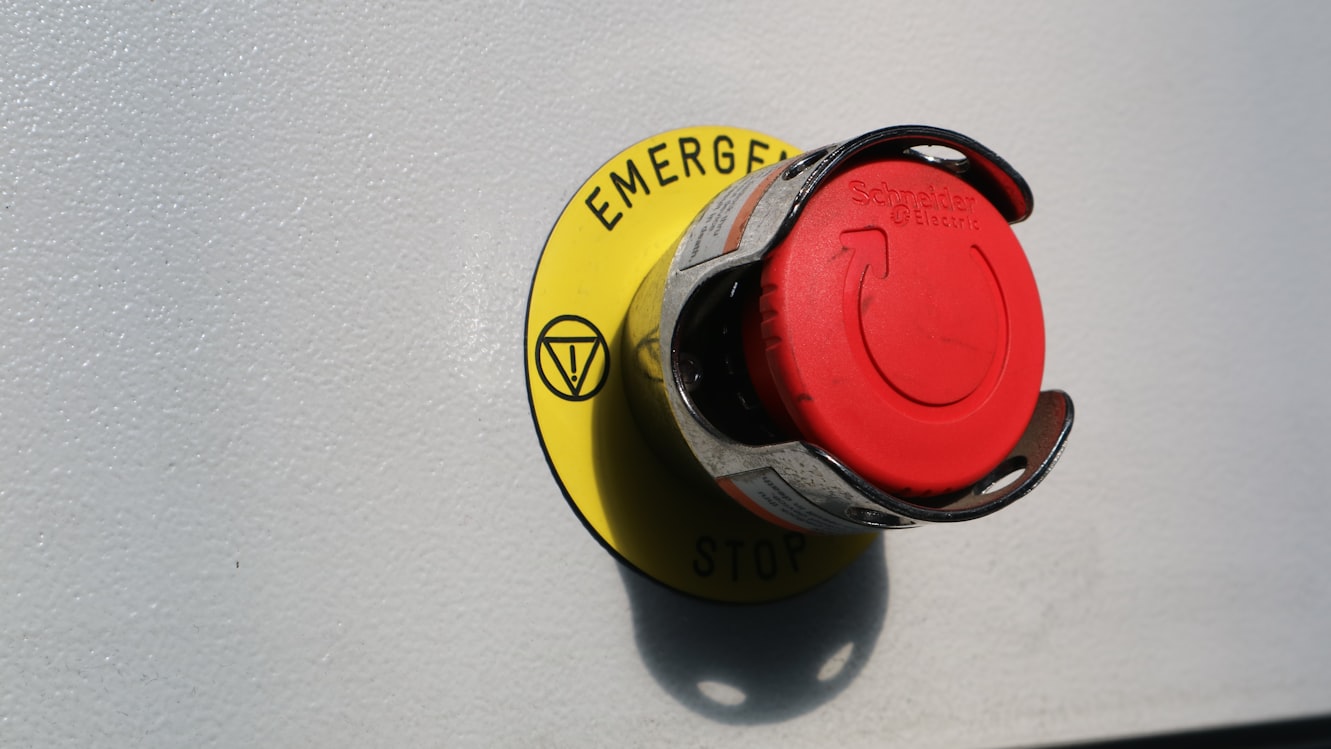
- Emergency stop button left engaged
- Fault in the motor starter circuit
- Faulty contactor
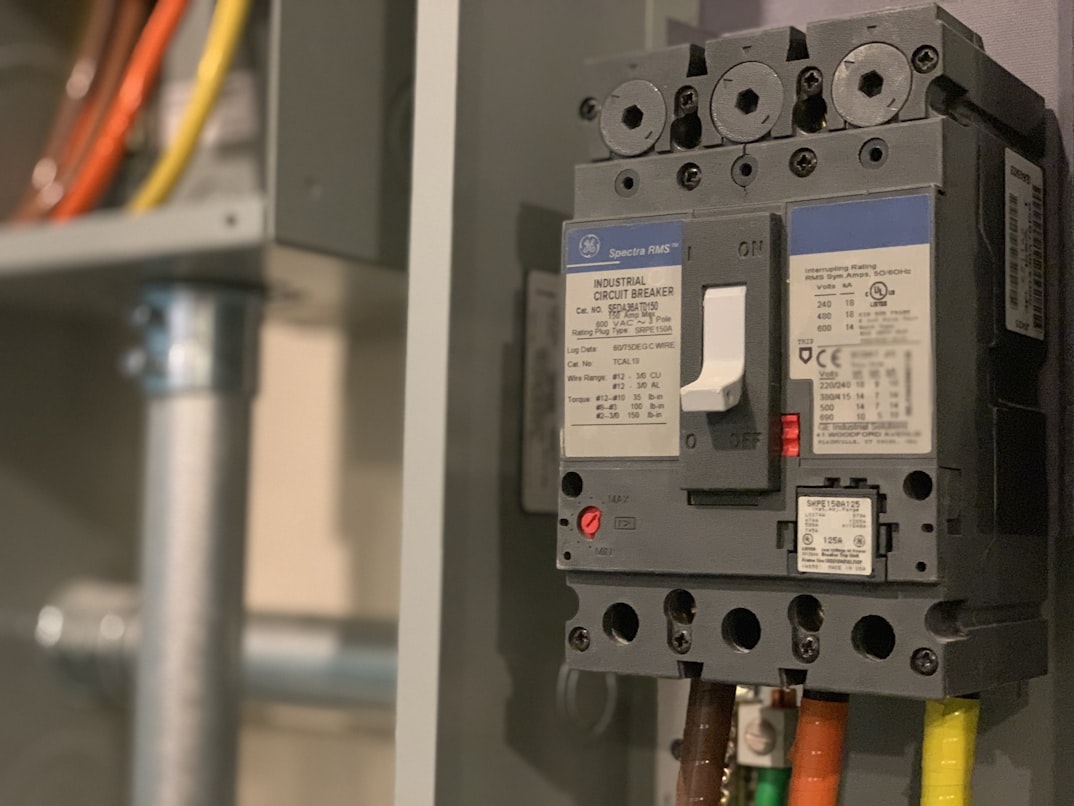
If an industrial machine fails to start, stops unexpectedly, or reports an error, the underlying cause is often related to the control system or the electrical installation.
In this situation, most people are not looking for a generic service. They are looking for answers: why the machine stopped, what is causing the shutdown, and which direction makes sense for fault finding.
A typical search starts with simple questions: the machine does not start, the electric motor is not starting, or the system shows a general electrical fault.
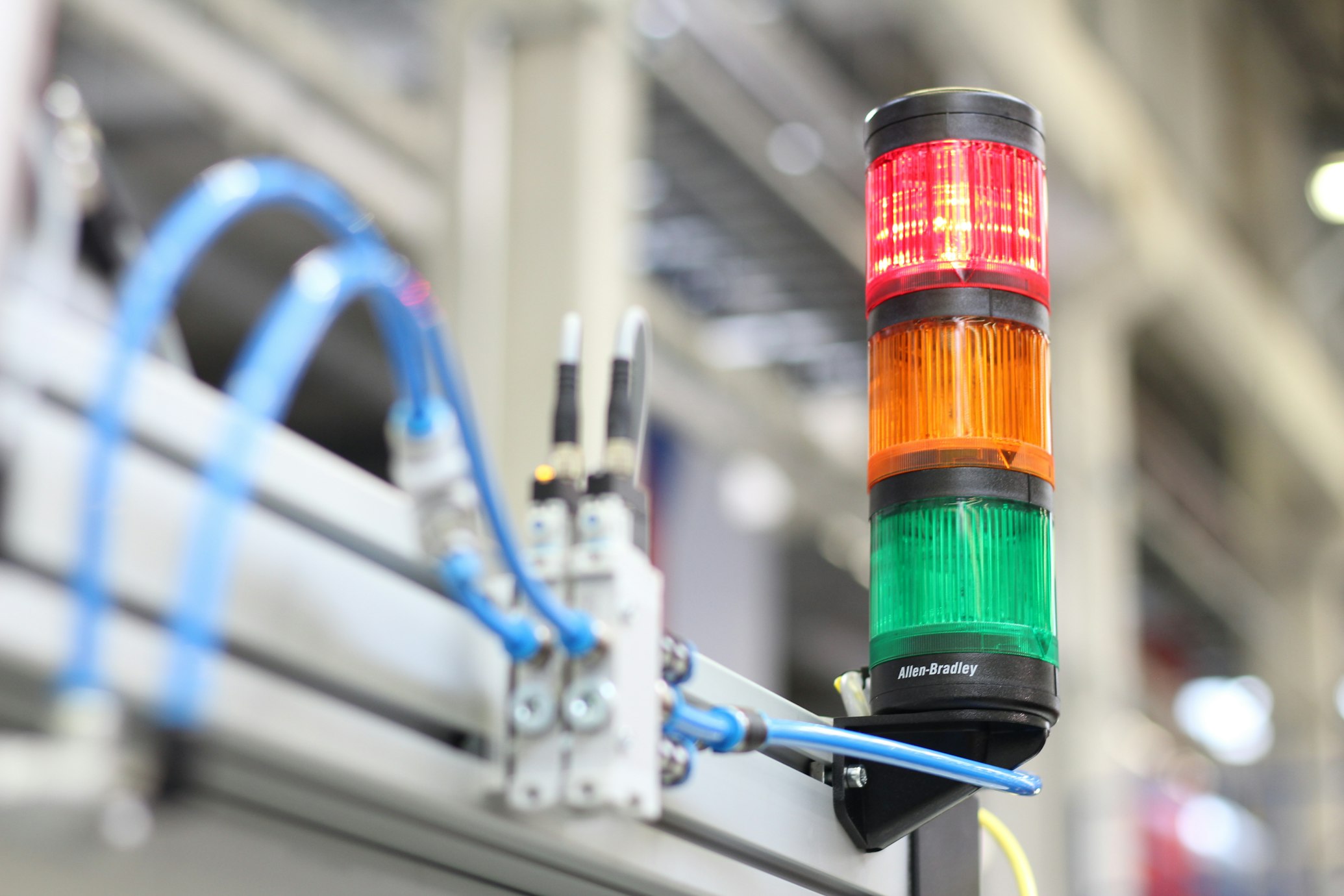
Red signal again. The machine is down, production is waiting, and everyone is asking the same question: why are we stopped?
Fault status
In this situation, most people are not looking for a generic service. They are looking for answers: why the machine stopped, what is causing the shutdown, and which direction makes sense for fault finding.
A typical search starts with simple questions: the machine does not start, the electric motor is not starting, or the system shows a general electrical fault.
The issues below regularly occur in industrial equipment, motor starters, conveyors, and control cabinets.
This can include a PLC fault, a frequency inverter fault, or a conveyor fault, so fault finding should always start with the complete system.
Possible causes
Possible causes

Possible causes
Possible causes
Fault-finding approach
When an industrial machine stops, the root cause is not always obvious. The issue may be mechanical, electrical, or related to the control logic, so we assess the system as a whole before deciding on the repair method.
In some cases, a small repair is enough. In others, the right solution is a partial redesign, refurbishment, or control modification.
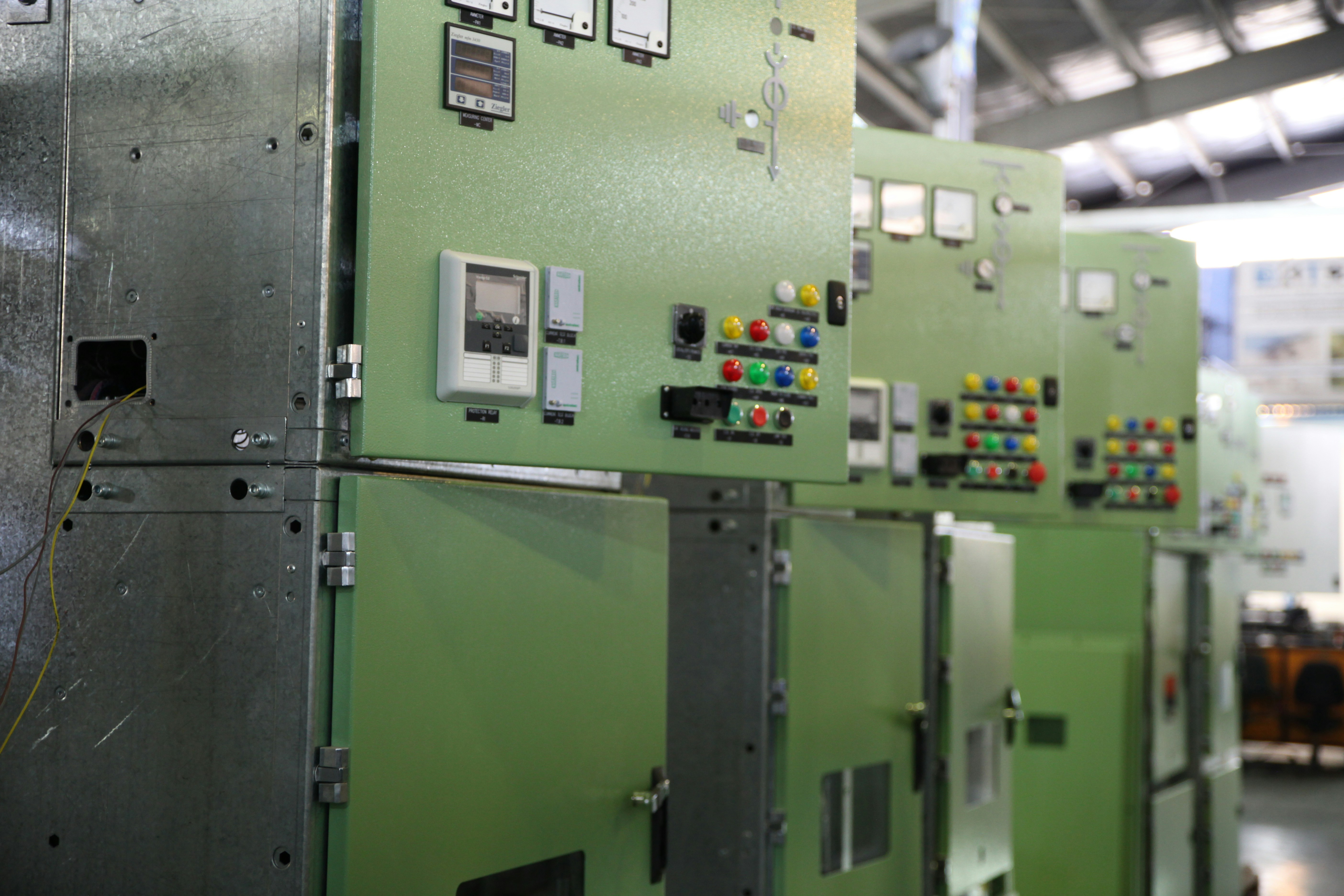
Practical position
In many cases, a targeted repair is sufficient. The right decision only comes after the actual fault has been identified.
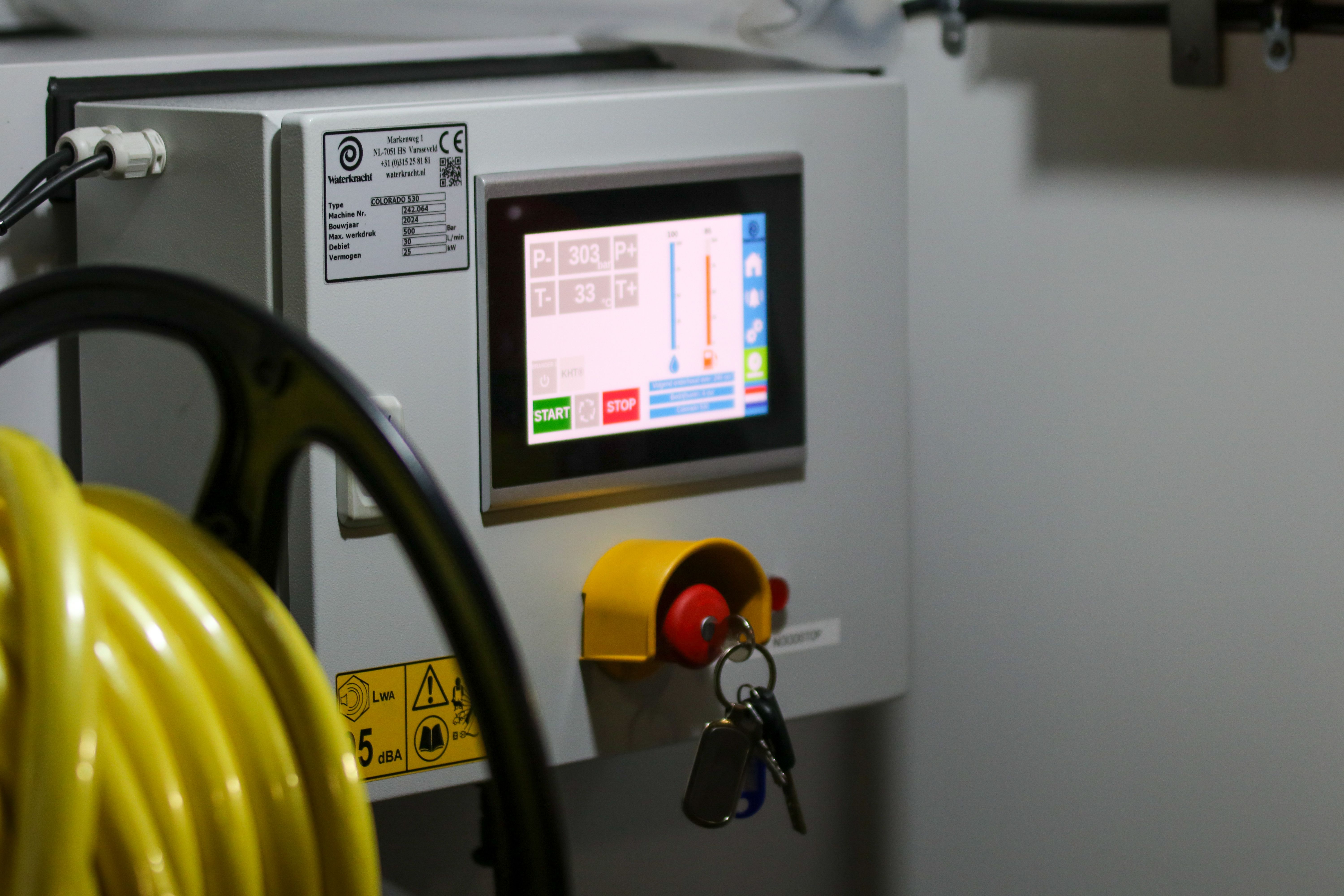
Real references
If you want to see more than typical symptoms, we also present a few short real-world fault references from completed industrial jobs.
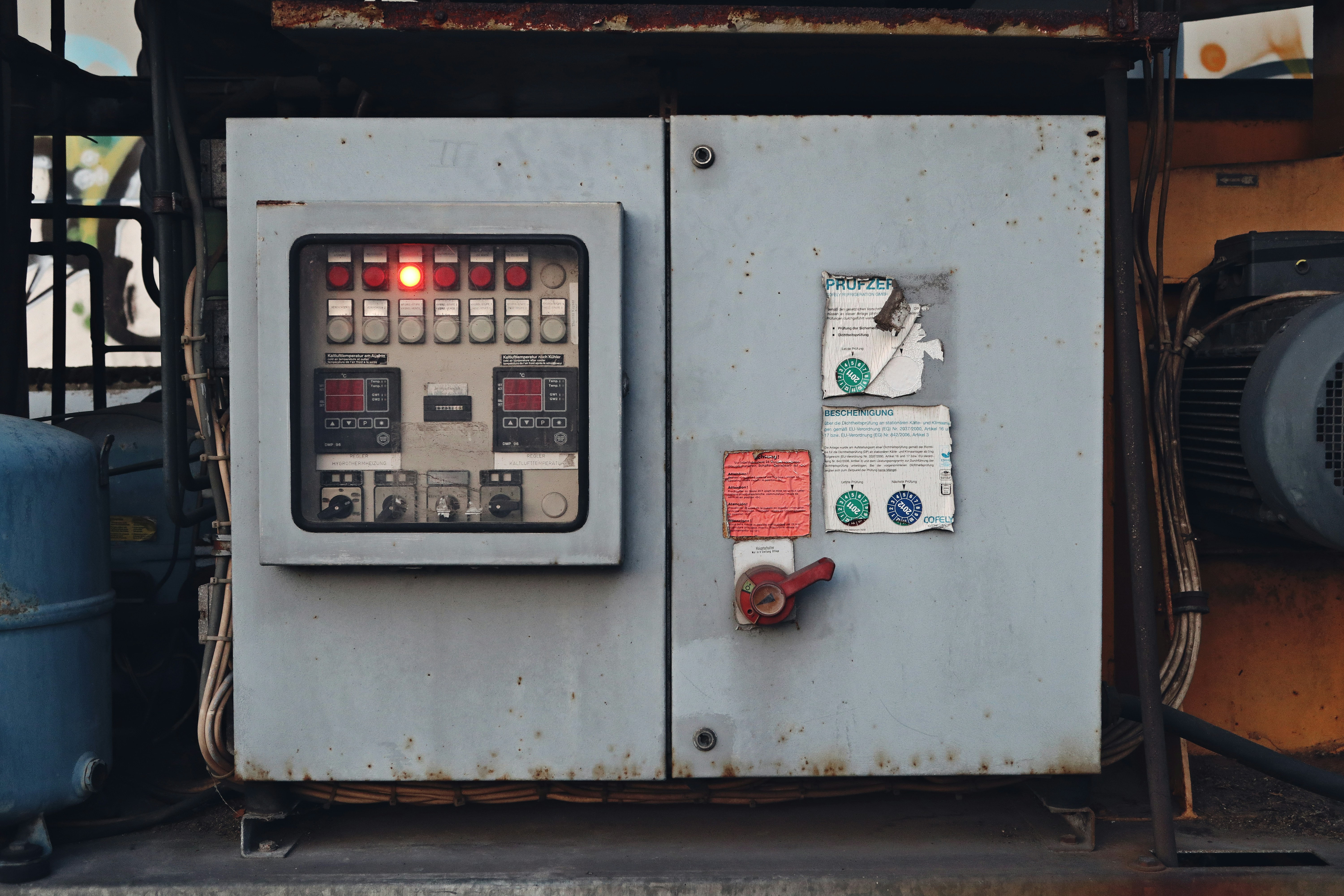
Send us a few lines about the fault, the machine, or the shutdown conditions, and we will help you identify the right direction.
Quick fault description
A technical description is not required. Just a few simple details already help us understand the issue.
If you do not know the exact fault, that is not a problem.
If possible, write for example about
Even if you can only describe one or two of these points, that already helps a lot with identifying the fault.
Example fault description
"The conveyor does not start and the motor protection trips."
"The machine starts, but stops again after a few seconds."
"The control system indicates a fault and the display shows a power supply error."

If you would rather not send it in writing, feel free to call us.