BORVEX · Help with your decision
The machine has stopped again. Is it still worth spending money on?
The technician got it running last time, and you have used it since. Now there is another problem. Work is waiting, the deadline is approaching, and someone has to decide what comes next.
The decision in context
Another repair? A more extensive refurbishment? Or is it time to look for a different machine?
None of these is an easy choice to make with confidence. You do not want to spend more money on something that could stop again in a few weeks. But you do not want to replace a usable machine if a smaller intervention could solve the problem.
BORVEX helps you understand the condition of your machine’s electrical system and see more clearly what is worth spending money on — before you commit to a larger investment.
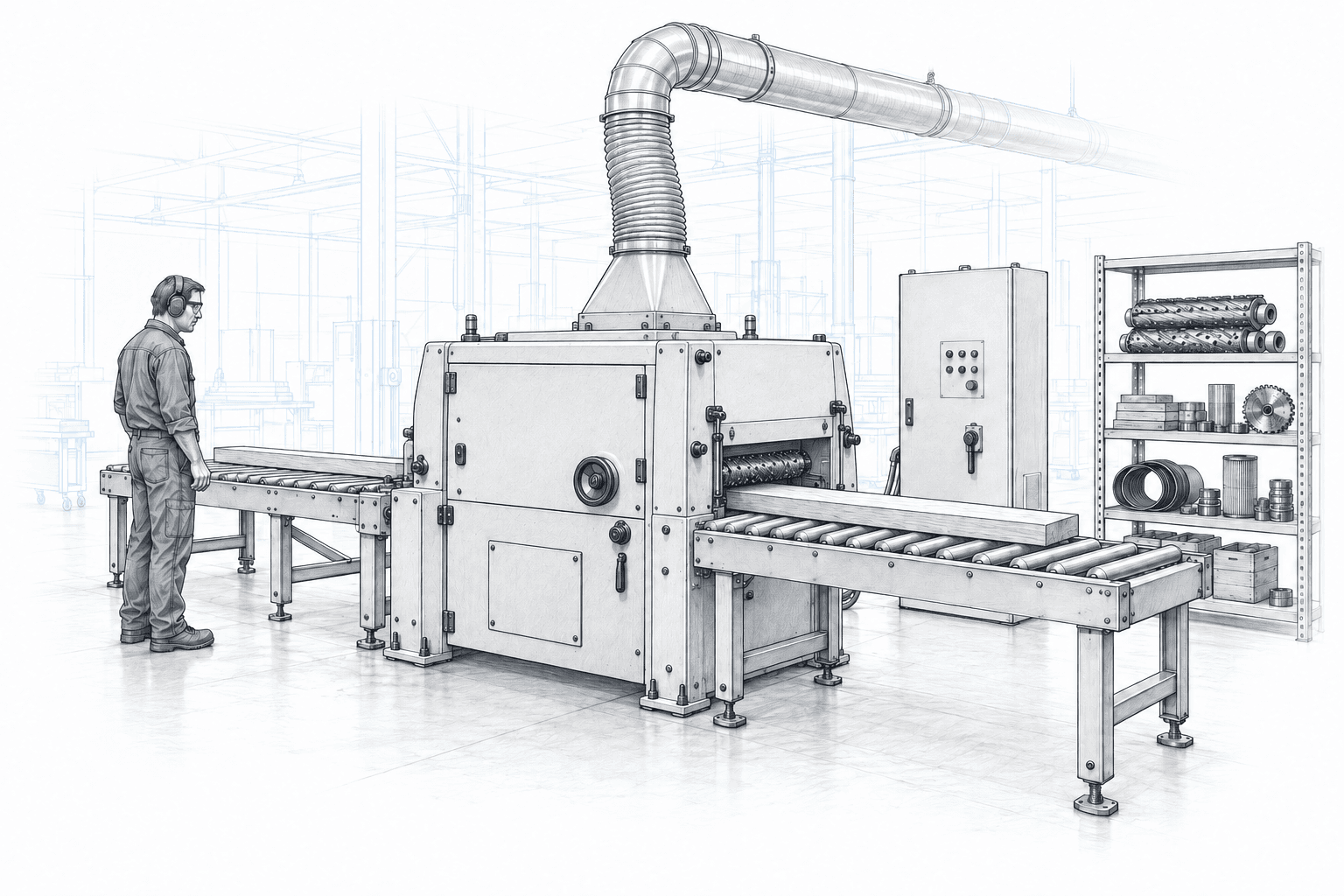
- Extraction
- Electrical system
- Operator
- Spare parts
- Workshop environment
- The machine
Decision map
Four possible directions
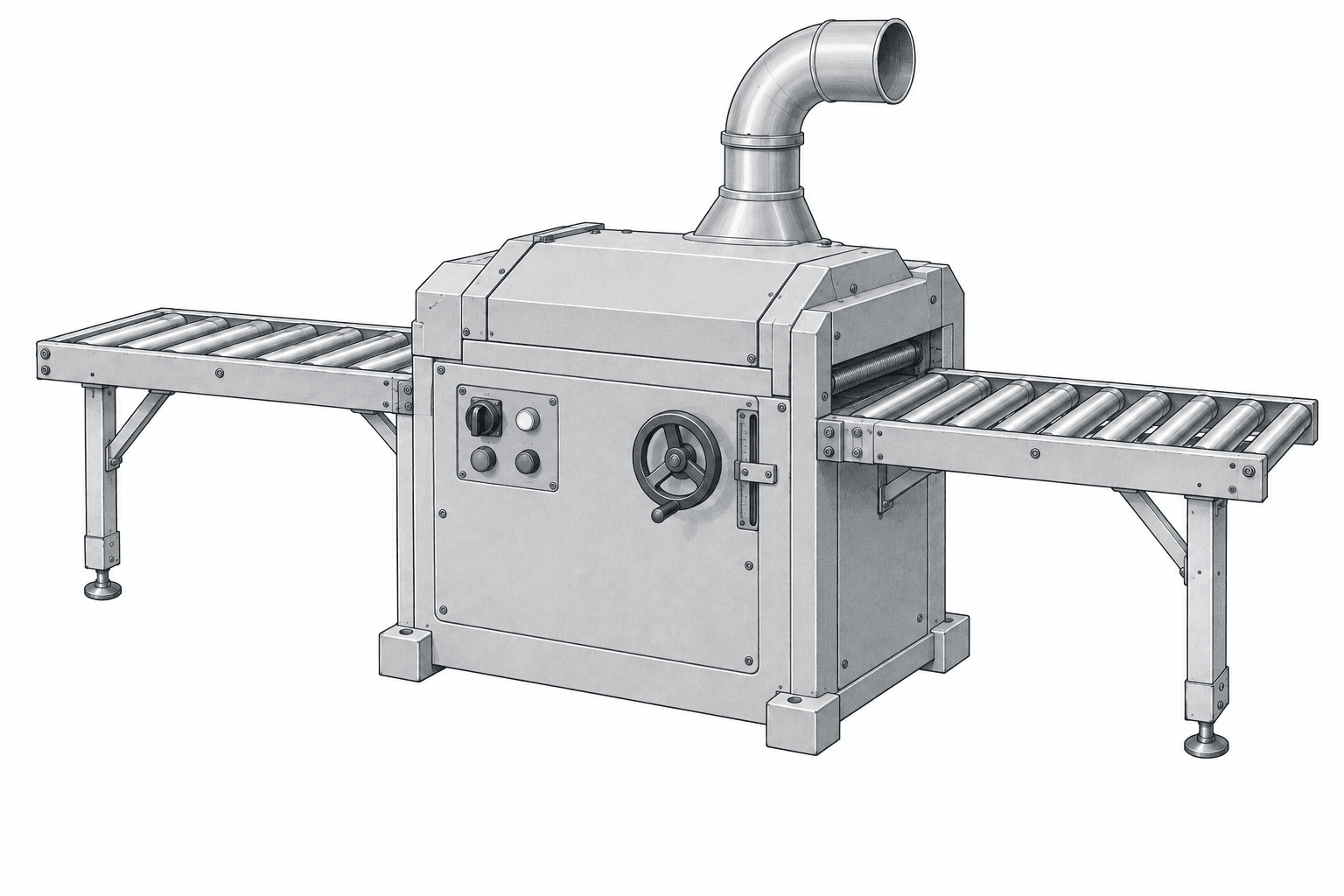
Repair
Resolve a specific fault
Electrical refurbishment
Retain existing operation
Modernization
Justified new functions and upgrades
Replacement
A different machine and its integration
“It has done the job until now. Why should I replace the whole machine?”
Consider a hypothetical example: an old woodworking planer that has been working in the workshop for decades.
Considerations and details
Your operators know it well. They know how to set it up, the workpieces meet the required quality, and the extraction and material handling systems are arranged around it. Recently, however, it has become unreliable when starting, sometimes stops during work, and needs a technician more and more often.
As an owner, it is reasonable to ask: has the machine itself worn out, or is just one part of it causing the recurring problems?
This is a crucial distinction. Refurbishing the electrical controls will not fix worn mechanical parts. Equally, a few worn switches, damaged wires or faulty control components do not automatically mean you should give up on the whole machine.
The first step is to find out what is causing the problem and establish the condition of the parts you would keep.
The machine and its surroundings
If you buy a new machine, what else changes with it?
A new machine can be a good decision. If the existing one can no longer achieve the required accuracy, has insufficient capacity or involves too much uncertainty to restore, there may be good reasons to replace it.
The purchase price, however, is only one item.
Considerations and details
The new machine has to fit into its space and connect to the systems already operating there. The working height, position of the extraction outlet, electrical power requirements or way materials are fed in and out may differ. The surrounding conveyors, connections or even the layout of the workshop may need to change.
The equipment you have accumulated for the old machine may not all be reusable. Depending on the machine, you may need new tools, fixtures, adapters and spare parts. Some of your existing stock may become redundant; you also need to account for purchasing and storing the new items.
Your operators will also need time before they can work just as confidently on the new machine. They need to learn its controls, settings and daily maintenance. Meanwhile, orders keep coming in.
So the question goes beyond the price of the new machine:
How much will it cost, and how long will it take, before it performs your usual work in your workshop, with your people?
That is what you should compare with the refurbishment option.
Extraction
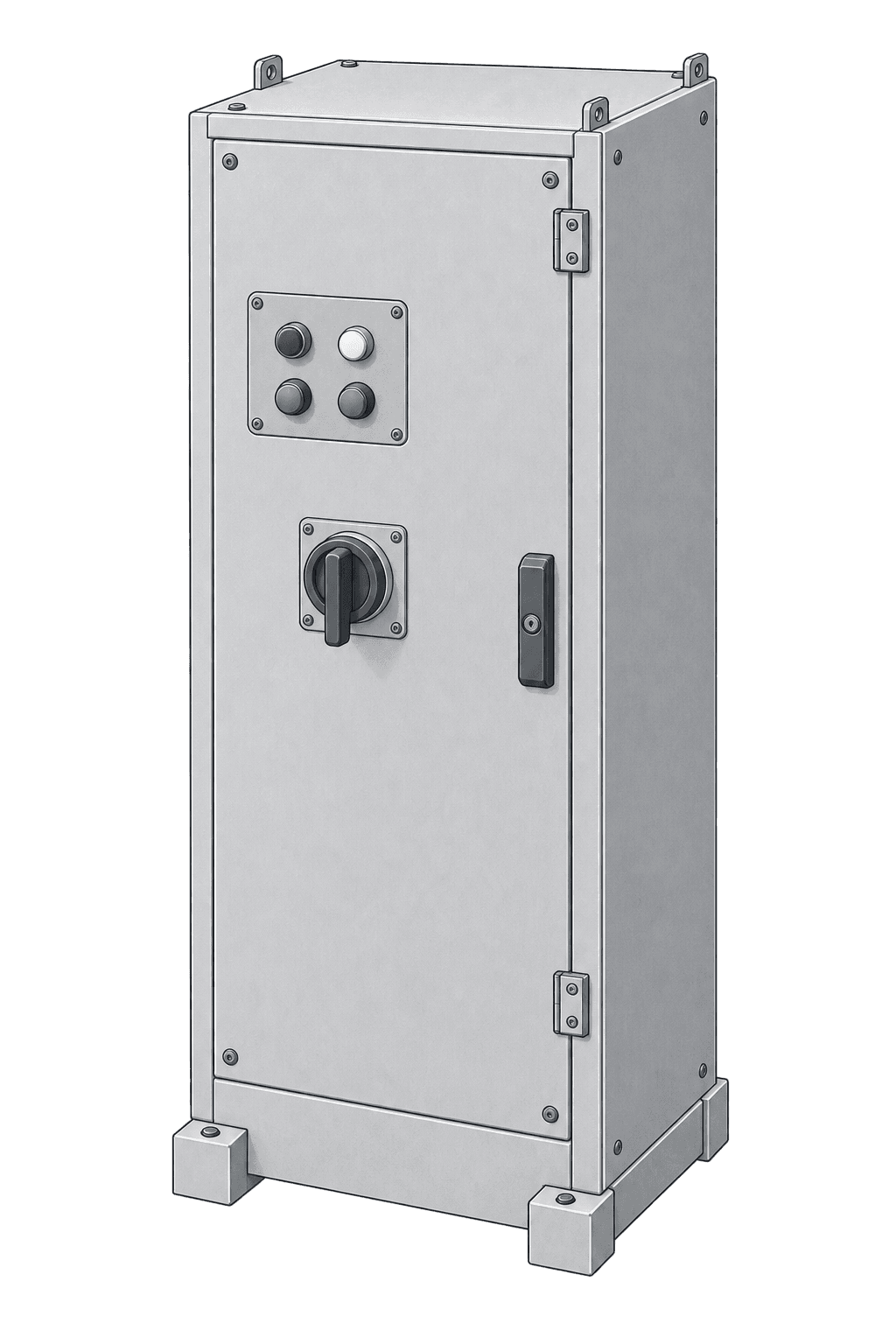
Electrical supply
Feeding, material handling
Training
Tools, spare parts
Documentation
Space, storage
Preparing for the decision
You do not need to know which solution to ask for
Simply tell us what is happening with the machine and what you need from it in production.
Considerations and details
When does it stop? Is it always the same fault? Does it produce the right quality when it runs? How much downtime can you accommodate? Should it keep doing the same job, or do you now expect more from it?
We examine the options from the perspective of the electrical system and controls. If a specialist mechanical or machine safety assessment is also needed to reach a decision, we will let you know.
The purpose of the assessment is to make it clear:
- what needs to be restored on the machine;
- what is worth keeping;
- which improvements could provide a real benefit;
- what uncertainties will remain after the work.
This lets you compare a refurbishment with a defined technical scope against the full cost of replacing the machine.
Before buying a used machine
Considering a used machine? It is worth speaking before you buy
Another used machine can also be a good choice. But seeing it run at the seller’s premises does not tell you everything that will matter in your workshop.
Considerations and details
What condition is the electrical cabinet in? Is usable documentation available? Can control components still be sourced? What repairs or adaptations are likely to be needed before it enters service?
An electrical condition assessment before purchase can help explore these questions. The findings must be considered in light of the parts that are accessible and the tests that can be carried out; the absence of a full-load test also needs to be taken into account.
What you learn in advance can still inform your purchasing decision.
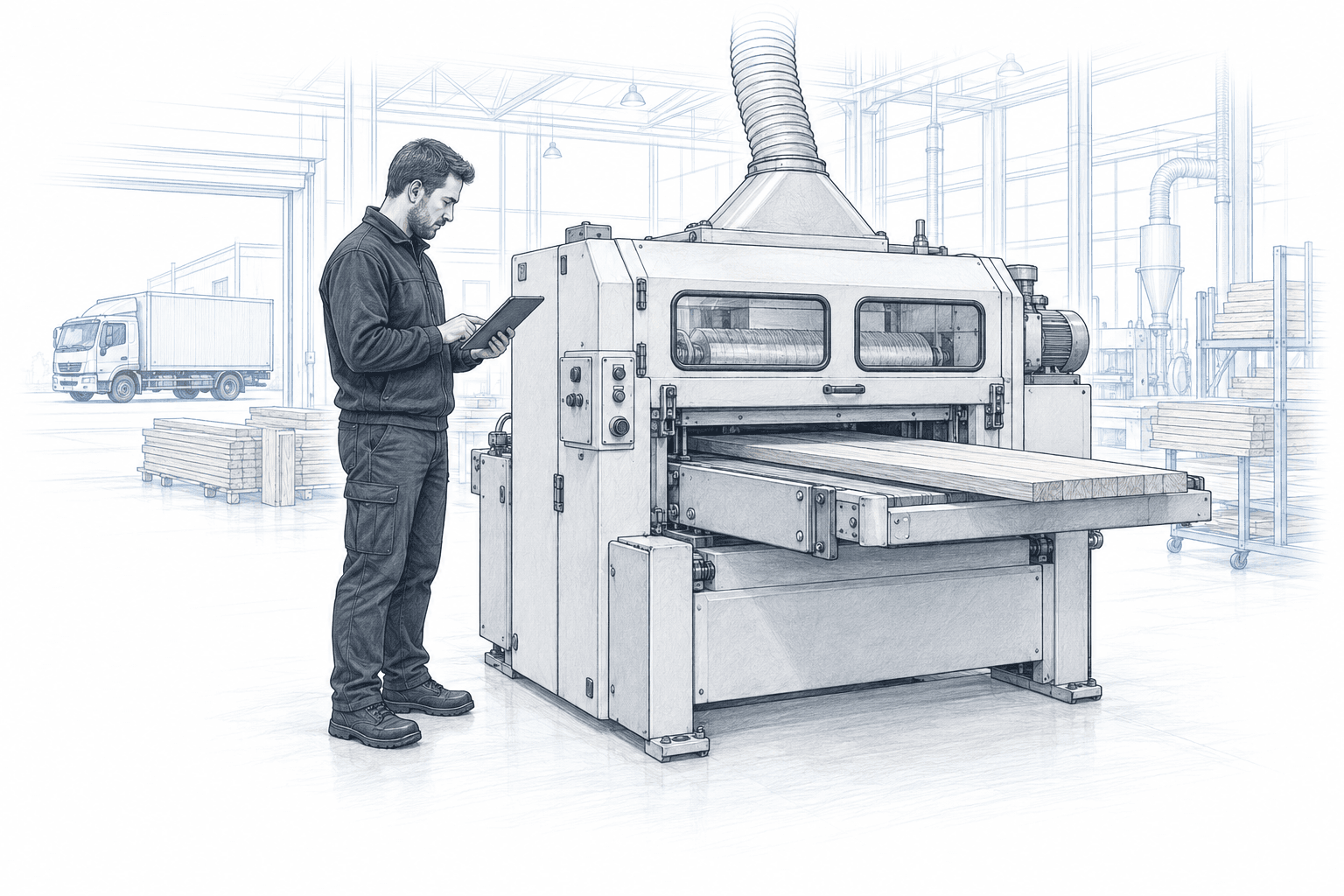
Let’s discuss your machine
Let’s start with what you know about the machine
Send us the machine type, a few photographs and a brief description of the problem you are experiencing. If you have a wiring diagram or records of previous repairs, those will help too.
In our first conversation, we will clarify what is known and what still needs to be examined on site before an informed decision can be made.
You do not need to arrive with a ready-made solution. You contact us to make the choice easier.
BORVEX · Electrical repair and controls for industrial machinery · Somogy, Baranya, Zala